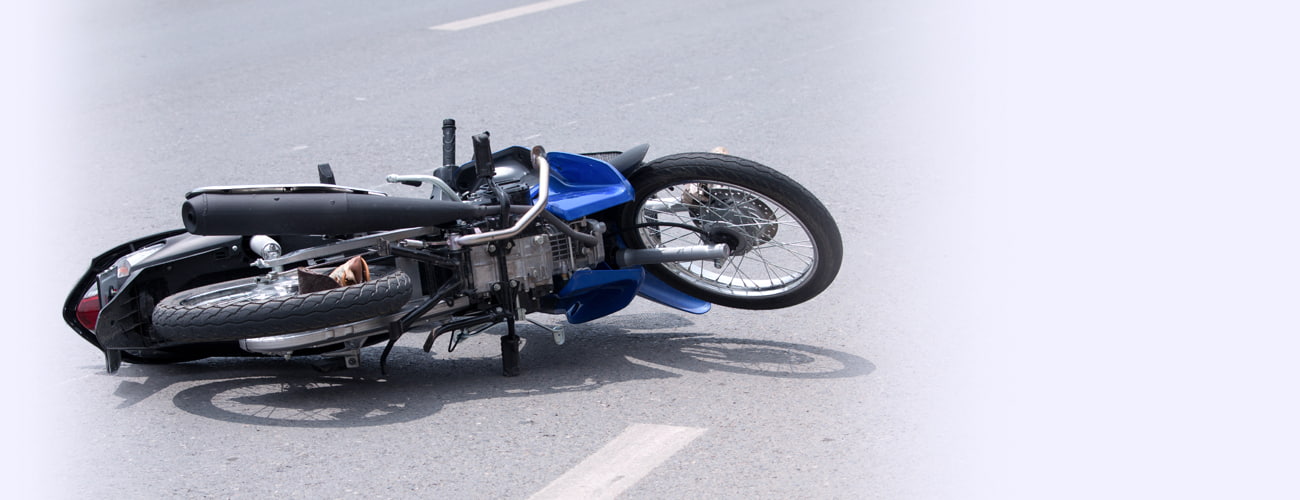
Riding in a group is part of what draws many people to motorcycles. There is visibility in numbers, and there is the simple pleasure of sharing the road with friends. That sense of safety is what makes it so jarring when the danger comes from inside the group itself. Before dawn on June 22, 2026, two motorcyclists were riding together on Norbeck Road in Rockville when their bikes made contact. Both riders lost control. One of them, a 20-year-old man, left the roadway and died at the scene, while the other rider walked away unhurt.
How Close-Formation Riding Turns Risky
Experienced riders hold a staggered formation, with each motorcycle offset in the lane and a cushion of space front to back, precisely so that a small mistake by one rider does not become a crash for another. When that spacing collapses, even slight contact between handlebars, mirrors, or wheels can throw a rider into a wobble that is nearly impossible to recover at speed. Darkness, fatigue, alcohol, and unfamiliar roads all shrink a rider’s margin for error. A bike that drifts a few inches can clip the rider beside it, and motorcyclists have nothing between their bodies and the pavement, curbs, and fixed objects waiting at the edge of the road.
The Legal Questions a Rider-on-Rider Crash Raises
A crash between two members of the same riding group does not fit the usual template of a motorcycle case against a careless car driver. Fault may rest with one rider, with both, or with a road defect or outside vehicle that forced the contact. Maryland follows contributory negligence, a strict rule that can bar recovery for an injured person found even slightly responsible for their own harm, which makes a careful reconstruction of those final seconds critical. When the at-fault rider is a friend, families sometimes hesitate to pursue a claim, not realizing that compensation usually comes from an insurance policy rather than out of a companion’s pocket.
Continue reading ›
 Maryland Motorcycle Accident Lawyer Blog